

Benjamin Granger: Sustained Performance Starts With Leaders Worth Following
By Bruce Bolger
Earning Commitment Through Contribution
Why the Practice Remains Uncommon
The Cost of Measuring Only What Is Easy
Personal Change Before Organizational Scale
Click here to subscribe to the ESM weekly e-newsletter.
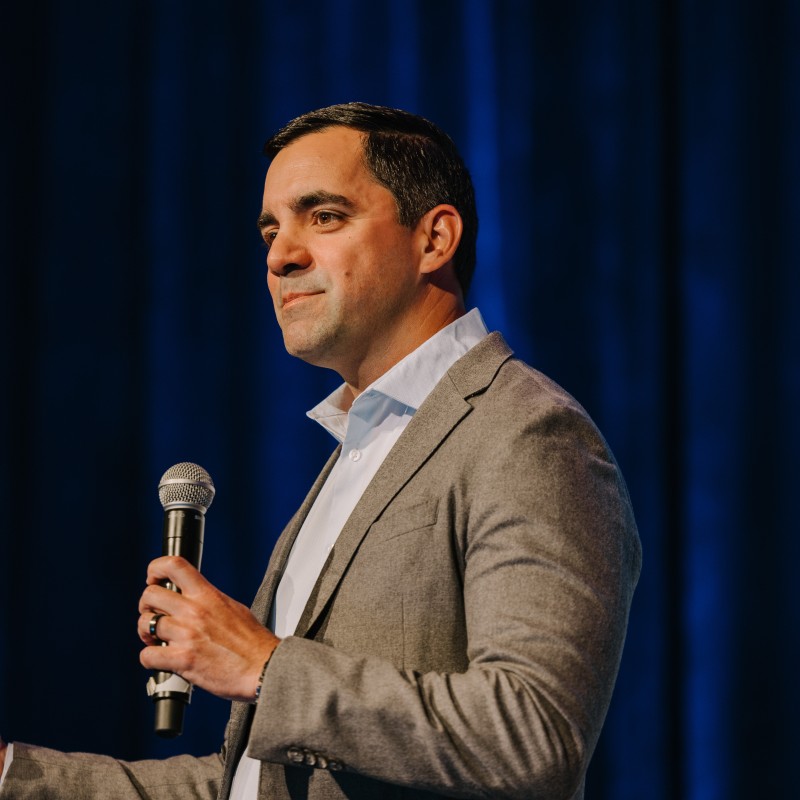 For Benjamin Granger, sustained business performance begins with leaders who earn the commitment of the people they depend on. In an interview with ESM about his book, A Leader Worth Following, he describes a leadership approach grounded in service, competence, and trust; explains why companies struggle to connect employee and customer experiences with financial outcomes; and argues that lasting leadership improvement requires personal change supported by a management system. Artificial intelligence, he believes, could make these connections easier to measure while increasing the competitive value of human relationships.
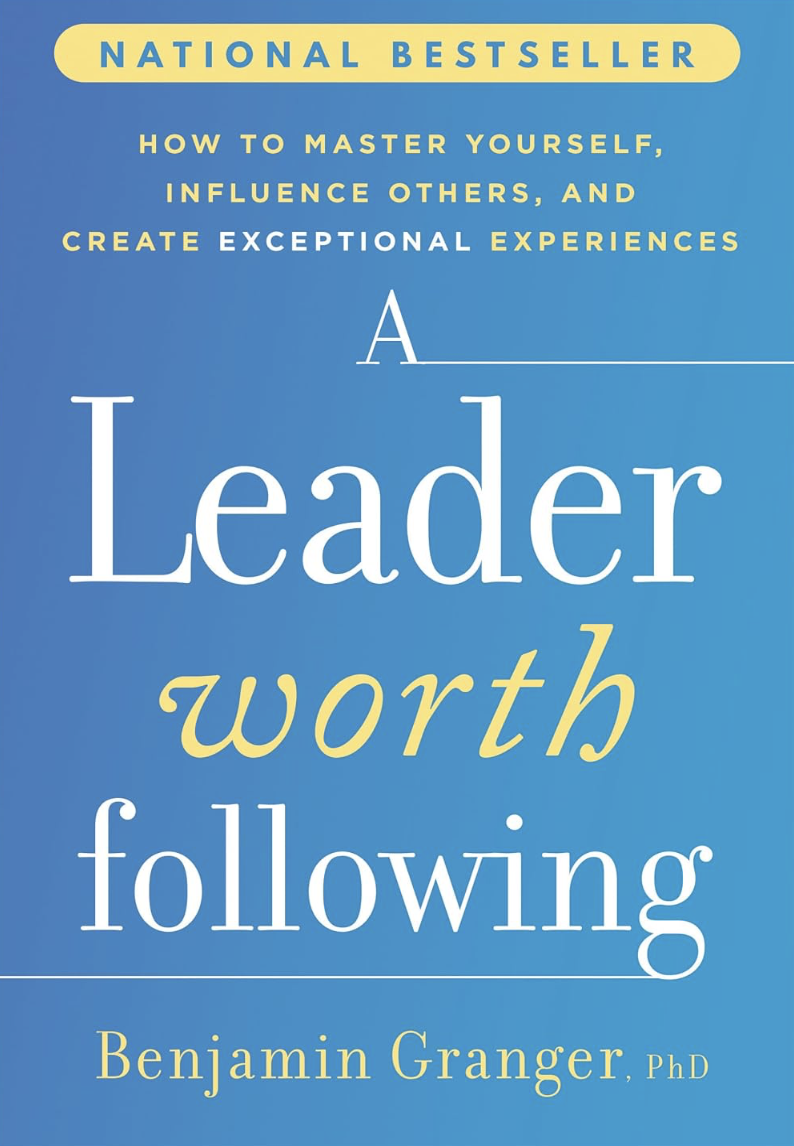 Granger, Chief Workplace Psychologist at Qualtrics, the Provo, UT-based survey and analytics firm, says the book began with an unexpected challenge. When his employer proposed elevating his title, he felt an obligation to earn that recognition among the behavioral scientists he respected. He began exploring what distinguished organizations that performed well financially while also doing well by employees and customers. Leadership repeatedly emerged as a common denominator, sending him into research across psychology and other disciplines.
His book brings that exploration together around a practical question: what makes people want to follow a leader?
Earning Commitment Through Contribution
Granger describes two approaches to achieving status within a group: dominance and prestige. Dominance relies on imposing authority, including force or the threat of consequences. He acknowledges that it can work, particularly when a leader has leverage. Prestige, by contrast, comes from using one’s talents to benefit the group, earning others’ willingness to follow through useful contributions.
“I am going to earn your followership instead of impose myself on you,” he says, describing the thinking behind the prestige approach. Such leaders develop capabilities that help others, undertake difficult work, and accept responsibilities that serve the collective effort. Their influence grows because people see value in following them.
In the organizations he has studied that combine strong financial, employee, and customer outcomes, Granger sees recurring leadership characteristics. Leaders communicate frequently and effectively, offer a compelling picture of the future, and connect work to a deeper purpose. They also earn trust through competence, integrity, and concern for other people’s interests. For him, these behaviors help explain how leadership translates into people’s willingness to contribute.
Why the Practice Remains Uncommon
Asked how many senior leaders understand and practice this approach, Granger points to the relatively small group of organizations that simultaneously excel financially and in their employee and customer relationships. Depending on the study, he says, fewer than 10% fall into that intersection. He uses this as a proxy for how uncommon the approach remains, rather than a direct measure of CEOs’ understanding.
He cautions against concluding that most leaders are simply bad at their jobs. The environment matters. Pressure to produce immediate results can favor dominance, even when a leader recognizes the value of earning commitment over time. The demand to meet the next target can make a more patient approach difficult to sustain.
There is also the personal work involved. Granger says leaders must relinquish the expectation that they should have every answer, always ask questions, and listen with curiosity. He acknowledges that managing ego is a continuing challenge in any leader's life. The approach he advocates requires sustained effort and a willingness to reconsider familiar behavior.
The Cost of Measuring Only What Is Easy
Granger sees a related obstacle in how organizations evaluate performance. He borrows a definition from workplace psychologist Steve Hunt: an organization consists of people working together with shared resources toward a shared mission. Financial outcomes, he argues, depend on how effectively those people understand the mission, collaborate, and meet others’ needs.
On the other hand, trust, engagement, and the consequences of poor experiences can be difficult to capture. That makes it tempting to emphasize accessible numbers while dismissing harder questions. “It matters because we measure it or it’s easy to measure,” he says, describing how measurement can shape management attention.
He identifies several financial connections that deserve closer examination. Employees who remain with an organization can reduce turnover and recruitment expenses. Satisfied customers can generate greater lifetime value, more purchases, and advocacy that reduces the need for paid marketing. Granger also cites revenue and profit growth, and return on total capital among the outcomes associated with the stronger organizations he studies. These relationships make the employee and customer experience relevant to business management, beyond an isolated HR or marketing initiative.
Personal Change Before Organizational Scale
For a CEO asking where to begin, Granger’s answer starts with the leader. The structure of his book moves from understanding the context of leadership to mastering oneself, followed by applying those lessons at scale. Leaders need to understand how their words, actions, absence, and nonverbal behavior affect other people’s thinking.
In the interview, he agrees that translating this approach across an organization requires a system. Personal credibility provides the foundation for extending the principles through management practices; otherwise, employees may see a gap between what leadership advocates and what it actually does.
AI could strengthen the business case by making previously difficult measurement more accessible, Granger believes. It could also make product features and service capabilities easier for competitors to replicate. He describes executive research anticipating that several current differentiators will become basic expectations by 2030, while stressing that these are expectations, not certainties.
That prospect brings him back to trust, loyalty, and how an organization makes people feel. As technology spreads, he argues, leaders should invest in the human capabilities that make people want to work with them, buy from them, and continue those relationships.
Enterprise Engagement Alliance Services
 Celebrating our 18th year, the Enterprise Engagement Alliance helps organizations enhance performance through:
1. Information and marketing opportunities on stakeholder management and total rewards:
- ESM Weekly on stakeholder management since 2009. Click here to subscribe; click here for media kit.
- RRN Weekly on total rewards since 1996. Click here to subscribe; click here for media kit.
- EEA YouTube channel on enterprise engagement, human capital, and total rewards since 2020
 Management Academy to enhance future equity value for your organization.
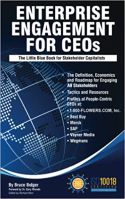
3. Books on implementation: Enterprise Engagement for CEOs and Enterprise Engagement: The Roadmap.
4. Advisory services and research: Strategic guidance, learning and certification on stakeholder management, measurement, metrics, and corporate sustainability reporting.
5. Permission-based targeted business development to identify and build relationships with the people most likely to buy.
Contact: Bruce Bolger at TheICEE.org; 914-591-7600, ext. 230.