

Academic Study Suggests a Value-Creation Approach to DEI
.jpeg) This study recommends a practical alternative to the practices that helped spark so much controversy.
This study recommends a practical alternative to the practices that helped spark so much controversy.Click here to subscribe to the ESM weekly e-newsletter.
Diversity, Equity, and Inclusion (DEI) has become one of the most divisive issues in business. In his new paper, “The End of DEI,” London Business School professor Alex Edmans argues that the real problem isn’t DEI’s goals—it’s how DEI has been practiced. His research aims to provide a practical alternative for leaders seeking to build fair, high-performing organizations without getting pulled into ideological battles.
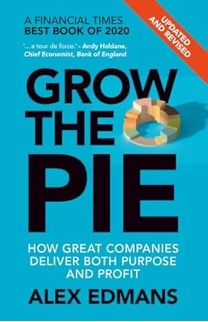
Edmans is also author of Grow the Pie, one of the books included in the Enterprise Engagement Alliance library.
The report is based on a meta-analysis of academic research on demographic, educational, and cognitive diversity; board quotas; equity and inclusion practices; critical reviews of widely cited consulting studies to separate robust insights from overstated claims; organizational psychology research on psychological safety, conflict, and creative problem-solving,
 To Edmans, claims that demographic diversity are linked to enhanced performance or box-ticking are a poor guide to performance or fairness. Instead, he urges organizations to orient their people strategies around potential, synergy, and inclusion—three principles that preserve DEI’s aims while avoiding its pitfalls.
Edmans says the shift is grounded in economics and organizational science:
- Potential: hiring and advancing people for their future trajectory, not just their current position. Context—such as socioeconomic background, life obstacles, educational environment, or neurodiversity—can matter as much as demographics, he writes.
- Synergy: building the best team, not just the best individuals. Synergy, he writes, comes from complementary skills, thinking styles, and networks. Demographic diversity may contribute, but it is neither the only nor the most reliable source.
- Inclusion: creating cultures where people can speak up, challenge norms, and receive honest feedback. Inclusion is not about avoiding discomfort—it is how organizations convert potential and synergy into real performance.
3. Businesses need to move beyond the “diversity equals profits” narrative. Popular consulting reports often conflate correlation with causation, he believes. Edmans highlights that while diversity can help, its impact depends on context: team composition, culture, the nature of the work, and whether different viewpoints are in fact surfaced and debated.
Edmans’ believes that by focusing on potential, synergy, and inclusion, organizations can honor DEI’s purpose while avoiding the weaknesses of its current practice—creating workplaces that grow the pie rather than fight over it.
Enterprise Engagement Alliance Services
 Celebrating our 15th year, the Enterprise Engagement Alliance helps organizations enhance performance through:
1. Information and marketing opportunities on stakeholder management and total rewards:
- ESM Weekly on stakeholder management since 2009. Click here to subscribe; click here for media kit.
- RRN Weekly on total rewards since 1996. Click here to subscribe; click here for media kit.
- EEA YouTube channel on enterprise engagement, human capital, and total rewards since 2020
 Management Academy to enhance future equity value for your organization.
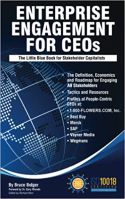
3. Books on implementation: Enterprise Engagement for CEOs and Enterprise Engagement: The Roadmap.
4. Advisory services and research: Strategic guidance, learning and certification on stakeholder management, measurement, metrics, and corporate sustainability reporting.
5. Permission-based targeted business development to identify and build relationships with the people most likely to buy.
Contact: Bruce Bolger at TheICEE.org; 914-591-7600, ext. 230.